When you meet someone for the first time, what’s one of the first things they notice? Often, it’s your hands. Our hands tell stories—they show the work we do, the care we give, and even the self-love we practice. That’s why manicures are not just about beauty; they’re about self-care, confidence, and expression. In this complete guide, we’ll walk you through everything about manicures—from what they are, their history, and their different types, to benefits, precautions, seasonal ideas, and how to care for your nails in between. Whether you’re a beginner or a nail art enthusiast, this guide is designed to simplify things and make you fall in love with the art of manicure.
What Is a Manicure?
At its core, a manicure is a beauty treatment designed for the nails and hands. It usually includes cleaning, shaping, buffing, cuticle care, hand massage, and nail polish application. But a manicure isn’t just about pretty nails—it’s about hygiene, relaxation, and self-presentation. In today’s busy world, a manicure can be the 30–60 minutes you dedicate solely to yourself. It’s a ritual that can be as simple as clipping and filing or as luxurious as a spa-style treatment with oils, scrubs, and paraffin masks.
Think of a manicure as a reset button for your hands. Just like your skin benefits from skincare, your nails and cuticles need attention too. Neglected nails can become brittle, peel easily, or even develop infections. A regular manicure ensures your nails remain strong, neat, and healthy, while also giving you the chance to express your style—whether through soft nude polish, bold red, or seasonal designs.
Manicure vs. Pedicure: What’s the Difference?
A common question is, “What’s the difference between a manicure and a pedicure?” While they both involve nail care, the areas they target differ. A manicure focuses on your hands and fingernails, while a pedicure targets your feet and toenails. Pedicures often emphasize exfoliation and callus removal, since feet tend to endure more pressure and friction daily.
Both treatments serve the same purpose: keeping nails healthy, improving circulation, and enhancing appearance. Together, they form the foundation of overall nail and hand-foot hygiene. If you’ve only tried manicures but skipped pedicures, it might be time to give your feet the same love—they deserve it.
Why Get a Manicure? Beyond Just Beauty
Manicures are more than just a fashion statement. Here’s why people across the world indulge in them:
- Health Benefits: Cleaning and trimming nails regularly prevents infections. Cuticle care ensures healthier nail growth. Massages during manicures improve blood circulation.
- Psychological Benefits: Sitting down for a manicure is therapeutic. It’s a mindful activity that lets you slow down. Walking out with fresh nails instantly boosts confidence.
- Style & Self-Expression: Your nails can reflect your personality. Minimalist designs show subtle elegance, while bold colors or nail art showcase creativity.
- Seasonal Fashion: Just like clothing, nails also follow trends. A fall-inspired manicure can be just as exciting as switching to cozy sweaters and boots.
Types of Manicures Explained
Here comes the heart of this guide. Manicures aren’t one-size-fits-all. Each type serves a different need, whether you want something timeless, long-lasting, or trendy. Let’s break them down:
1. Classic Manicure
This is the traditional, no-fuss manicure. It includes nail cleaning, filing, shaping, cuticle trimming, hand massage, and polish. It’s the go-to choice for beginners or anyone who prefers simplicity. Classic manicures usually last about a week before polish starts chipping.
2. French Manicure
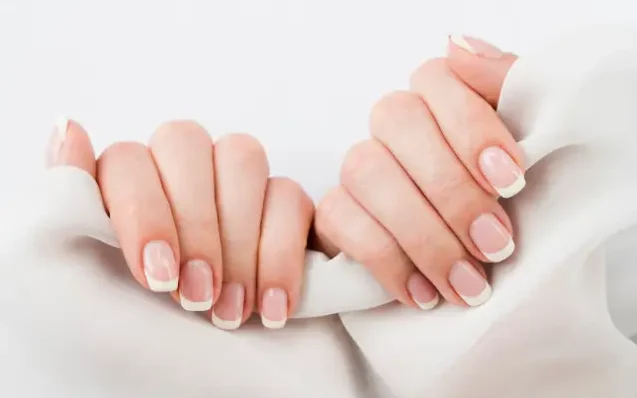
The French manicure is iconic. It features a natural pink or nude base with white tips, creating a polished and elegant look. It’s perfect for weddings, office settings, or whenever you want timeless style. Recently, the French manicure has been reinvented with colorful or glittery tips for a modern twist.
3. American Manicure
Often confused with French, the American manicure is slightly different. Instead of stark white tips, it uses softer, creamier tones for a more natural appearance. It’s subtle, understated, and blends seamlessly with the natural nail color—ideal for people who want their nails to look neat without drawing too much attention.
4. Russian Manicure
The Russian manicure has become increasingly popular due to its precision. It involves a special technique using an electric nail drill to clean around the cuticles and nail bed. The result? Nails look longer, cleaner, and smoother, with polish applied flawlessly from edge to edge. However, it requires a trained professional—so choose your salon wisely.
5. Gel Manicure
Gel manicures are loved for their durability. They use gel-based polish cured under UV or LED light, making them resistant to chipping for up to three weeks. They’re perfect for busy people who don’t want to redo nails often. However, removal requires care to avoid damaging natural nails.
6. Acrylic Manicure
Acrylic nails involve a mixture of powder and liquid applied over your natural nails or nail extensions. They’re strong, versatile, and great for creating long, dramatic styles. You can shape them into almond, stiletto, or coffin styles. But they do require upkeep and careful removal.
7. Dip Powder Manicure
This type involves dipping nails into colored powder instead of using polish. The result is durable, lightweight, and chip-resistant nails. Dip manicures have become popular for their easy application and longevity—lasting up to a month.
8. Spa / Hot Oil Manicure
For those craving relaxation, spa manicures include hand scrubs, masks, and massages, while hot oil manicures focus on nourishing nails and cuticles with warm oils. These treatments are not just for beauty—they’re deeply hydrating and therapeutic.
9. Fall Manicure Styles
When seasons change, so do nail trends. Fall manicure ideas often include warm tones like burgundy, burnt orange, forest green, and chocolate brown. Fall French manicures—where traditional white tips are swapped with copper or maroon—are especially trendy.
Nail Shapes: Which One Is Right for You?
A manicure isn’t complete without the right nail shape. Popular shapes include:
- Square – Neat and classic, great for short nails.
- Round – Natural and easy to maintain.
- Oval – Elegant and elongates the fingers.
- Almond – Trendy, feminine, and elongating.
- Coffin/Ballerina – Bold and modern, often seen with acrylics.
- Stiletto – Dramatic and sharp, perfect for statement nails.
Your lifestyle matters when choosing a shape. For example, almond nails look chic but may not be ideal if you type a lot or handle physical work daily.
Benefits of Regular Manicures
- Stronger, healthier nails with reduced breakage.
- Prevention of hangnails and painful cuticle issues.
- Improved blood circulation from massages.
- Softer, younger-looking hands.
- Confidence boost with every polished look.
Precautions to Keep in Mind
While manicures are safe, certain precautions help protect your nail health:
- Salon Hygiene: Always ensure tools are sterilized. Dirty instruments can cause infections.
- UV Light: If getting gel manicures often, apply sunscreen to your hands to minimize UV exposure.
- Cuticle Care: Avoid over-trimming; cuticles protect against bacteria.
- Nail Breaks: Give your nails breaks between gel or acrylic sessions to restore strength.
- Products Used: Stick to high-quality polishes and removers to avoid unnecessary damage.
DIY Manicure at Home
Not every manicure requires a salon visit. Here’s a quick home routine:
- Remove old polish.
- Soak hands in warm water with mild soap.
- Push back cuticles gently.
- File and shape nails.
- Buff lightly.
- Apply base coat, two layers of polish, and top coat.
- Moisturize hands and nails.
DIY manicures are cost-effective and can become a weekly ritual for self-care.
Lifestyle & Nail Health
Manicures look better when nails are naturally strong. Support them by:
- Eating foods rich in biotin, protein, and omega-3.
- Staying hydrated.
- Avoiding biting or picking nails.
- Using gloves when doing chores with harsh chemicals.
Seasonal Inspiration: Fall Manicure Ideas
Fall is the season of cozy sweaters, pumpkin spice, and rich colors. Here are trending fall manicure ideas:
- Moody Burgundy & Wine Shades
- Copper-Tipped French Nails
- Forest Green with Gold Accents
- Plaid or Sweater-Inspired Nail Art
- Matte Chocolate Brown Finishes
Fall manicure ideas allow you to match your nails with the season’s warm and earthy palette.
Conclusion
Manicures are much more than a coat of polish. They’re about taking time for yourself, expressing your personality, and ensuring your hands stay as healthy as they are beautiful. From the timeless elegance of a French manicure to the precision of Russian styles or the cozy charm of fall-inspired designs, there’s a manicure for everyone. The key is finding what suits your lifestyle, mood, and season. After all, beauty lies in the details—and sometimes, it begins right at your fingertips.